EAC Competition Experts meet in Rwanda to enhance Regional Merger Control

The implementation of the East African Community’s (EAC) regional merger control regime is taking shape as competition experts from six Partner States met in Rwanda to strengthen investigations into cross-border mergers and acquisitions and improve cooperation in enforcing competition rules.
The meeting, organised by the East African Community Competition Authority (EACCA) from 14 to 16 October 2026, brought together experts from National Competition Authorities and Ministries responsible for competition regulation, alongside EACCA staff, to develop practical approaches for investigating and assessing cross-border transactions.
The regional merger control regime came into force on 1 November 2025, requiring businesses undertaking qualifying cross-border mergers and acquisitions to notify EACCA in accordance with applicable regulations. Effective implementation depends on the ability of the regional authority and national agencies to investigate transactions, exchange relevant information and assess their potential effects on competition.
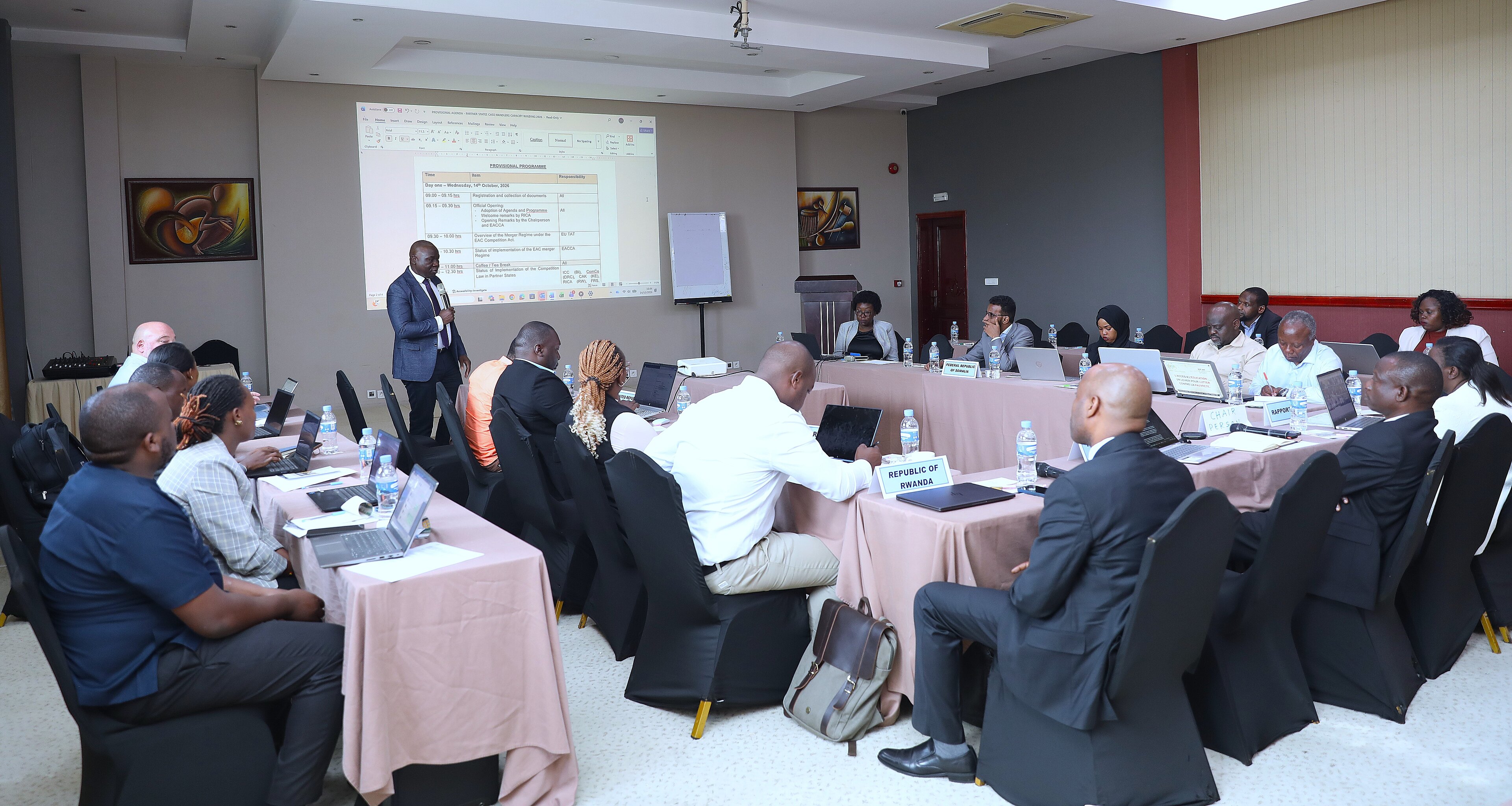
Officially opening the meeting, Jean Pierre Bajeneza, Acting Director General of the Rwanda Inspectorate, Competition and Consumer Protection Authority (RICA), emphasised the importance of effective merger oversight in maintaining fair competition as regional markets become increasingly integrated.
“Effective merger investigations require strong institutional capacity, reliable information sharing and close cooperation between regional and national competition authorities. These efforts are essential to ensuring that cross-border business transactions take place within a fair and competitive market,” Bajeneza said.
The three-day meeting focused on building the practical capacity needed to implement the regional framework. Participants examined merger investigation procedures, including practices recommended by the International Competition Network (ICN), and reviewed techniques for gathering evidence, conducting analysis and assessing cross-border mergers and acquisitions notified to EACCA.
Hussein Musiho from Uganda’s Ministry of Trade, Industry and Cooperatives, who chaired the meeting, highlighted the importance of coordination between EACCA and national competent agencies in addressing competition issues that extend beyond national borders.
“Strengthening cooperation and sharing investigative experience among Partner States will support more effective merger reviews. A coordinated approach is important for identifying potential competition concerns and ensuring that the regional merger control framework is implemented effectively,” Musiho said.
Participants also discussed establishing regional task teams to coordinate a merger-tracking system. The proposed mechanism is expected to facilitate information exchange, improve the monitoring of cross-border mergers and strengthen coordination between EACCA and national agencies.
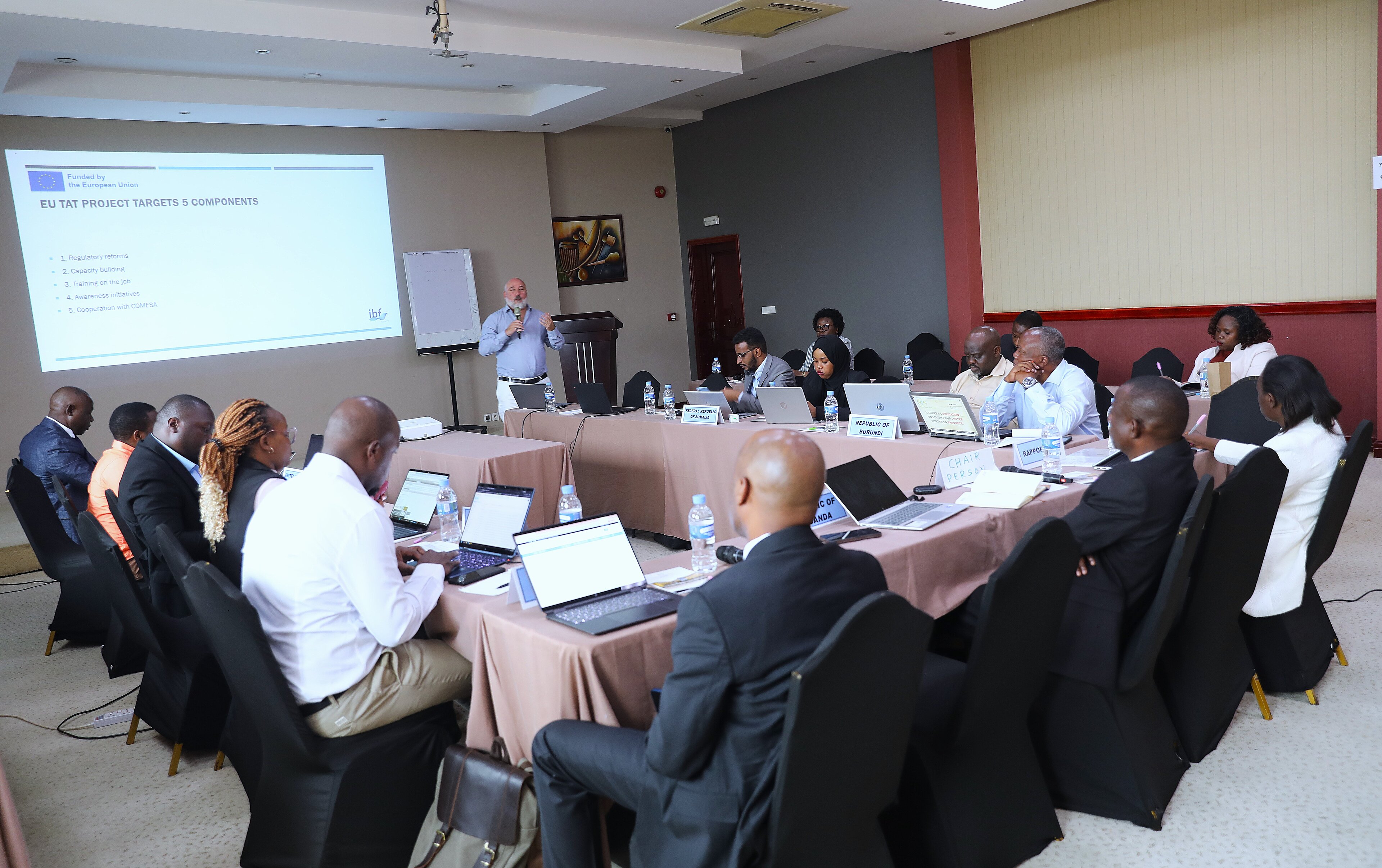
The meeting provided an opportunity for Partner States to exchange experiences and explore common investigative approaches that could improve consistency and effectiveness in merger assessments across the region.
As cross-border business activity expands within the EAC, effective merger control is increasingly important in addressing competition challenges that may affect multiple Partner States. Through stronger investigative capacity and regional cooperation, EACCA and national authorities aim to improve enforcement of competition rules and promote a fairer, more competitive regional market.