SMALL-SCALE ABATTOIR OPERATORS LEARN BEST PRACTICES TO IMPROVE MEAT SAFETY
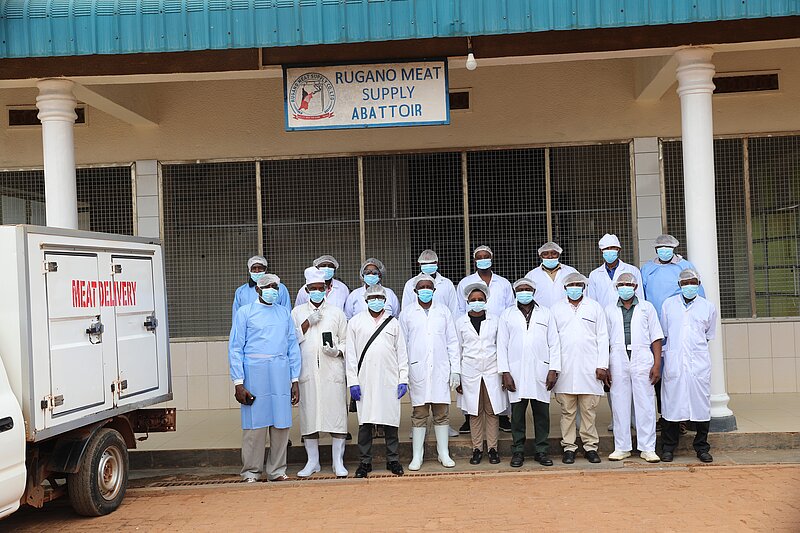
Operators of small-scale abattoirs have gained practical knowledge on improving hygiene, managing food safety risks and meeting required meat safety and quality standards following a study tour organised by RICA in partnership with TradeMark Africa (TMA).
Held on 13-16 October 2026, the study tour adopted an on-site peer training and learning approach, allowing participants to observe good practices, exchange experiences with advanced practitioners and identify practical improvements they can implement in their own facilities.
The operators visited Rugano Meat Supply, a ruminant abattoir in Kicukiro District, AVIPRO chicken abattoir in Bugesera District, and N&N, a medium-scale poultry abattoir in Burera District. The visits exposed participants to different operational settings and approaches to maintaining hygiene, organising facility layouts, managing workflow and controlling food safety risks.
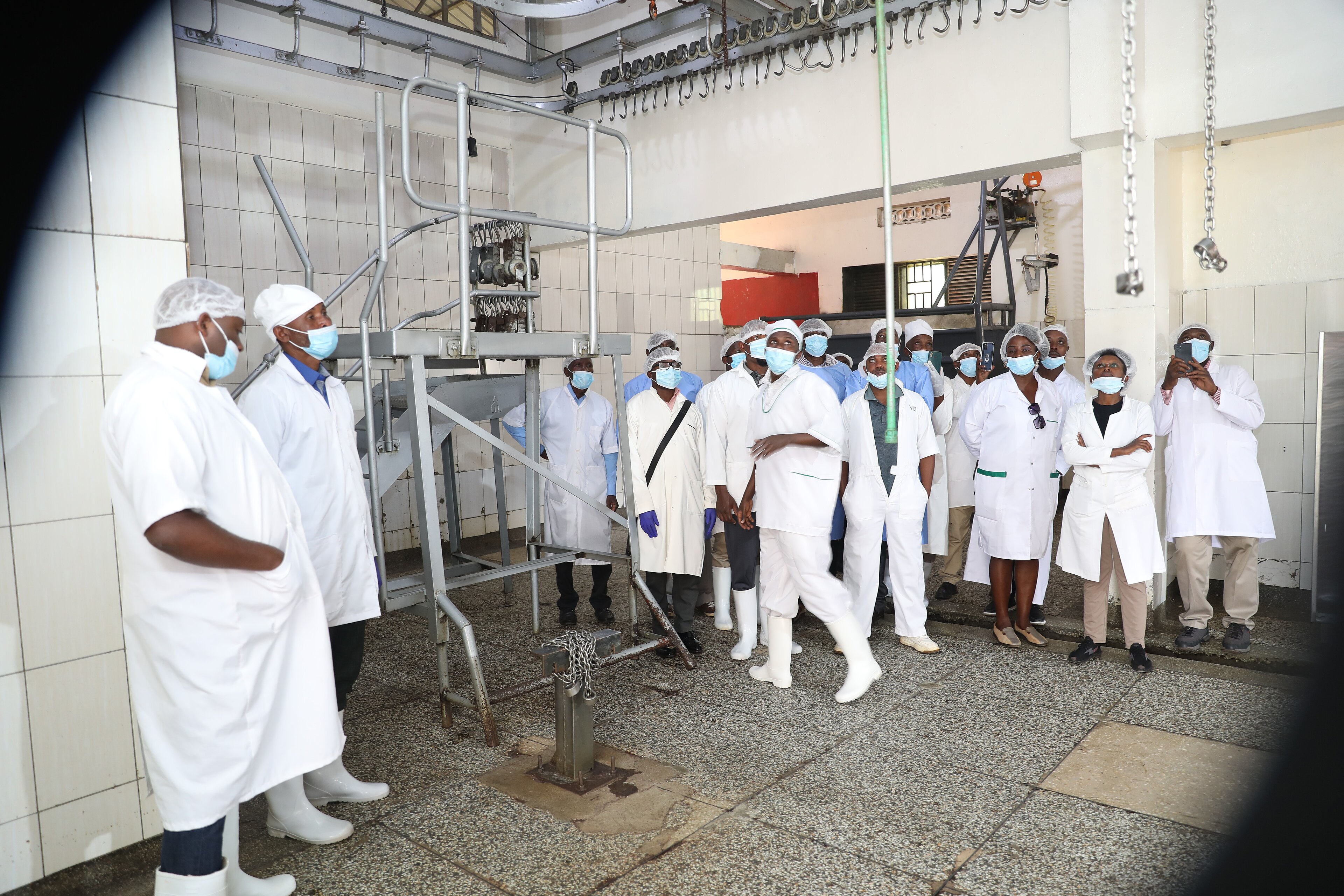
At the facilities, participants observed operational practices, interacted with personnel and discussed challenges affecting their businesses. The exchanges helped them identify practical measures to improve their operations and work towards compliance with applicable meat safety and quality requirements.
Gaspard Simbarikure, RICA’s Veterinary Hygiene and Quarantine Specialist, who led the participants during the field visits, said the study tour helps operators understand how regulatory requirements can be translated into everyday practices.
“The study tour gives abattoir operators an opportunity to see how meat safety and quality requirements are applied in practice. By learning from well-equipped facilities, they can identify improvements in hygiene, infrastructure and food safety management that they can gradually adopt in their own operations to ensure compliance with the required standards and protect consumers,” he said.
For participants, the visits provided an opportunity to learn directly from established businesses and identify improvements that could benefit their own operations and the wider poultry sector.
Abel Bizimungu, President of the Chicken Farmers Cooperative (KOABIRWA), said the experience offered valuable lessons for poultry operators seeking to improve their practices.
“This study tour has provided valuable lessons for us as poultry sector operators. Seeing how established abattoirs manage hygiene and food safety helps us understand what we need to improve in our own facilities. We will share the knowledge gained with fellow farmers and work towards meeting the required standards so that consumers can access safe and quality meat,” he said.
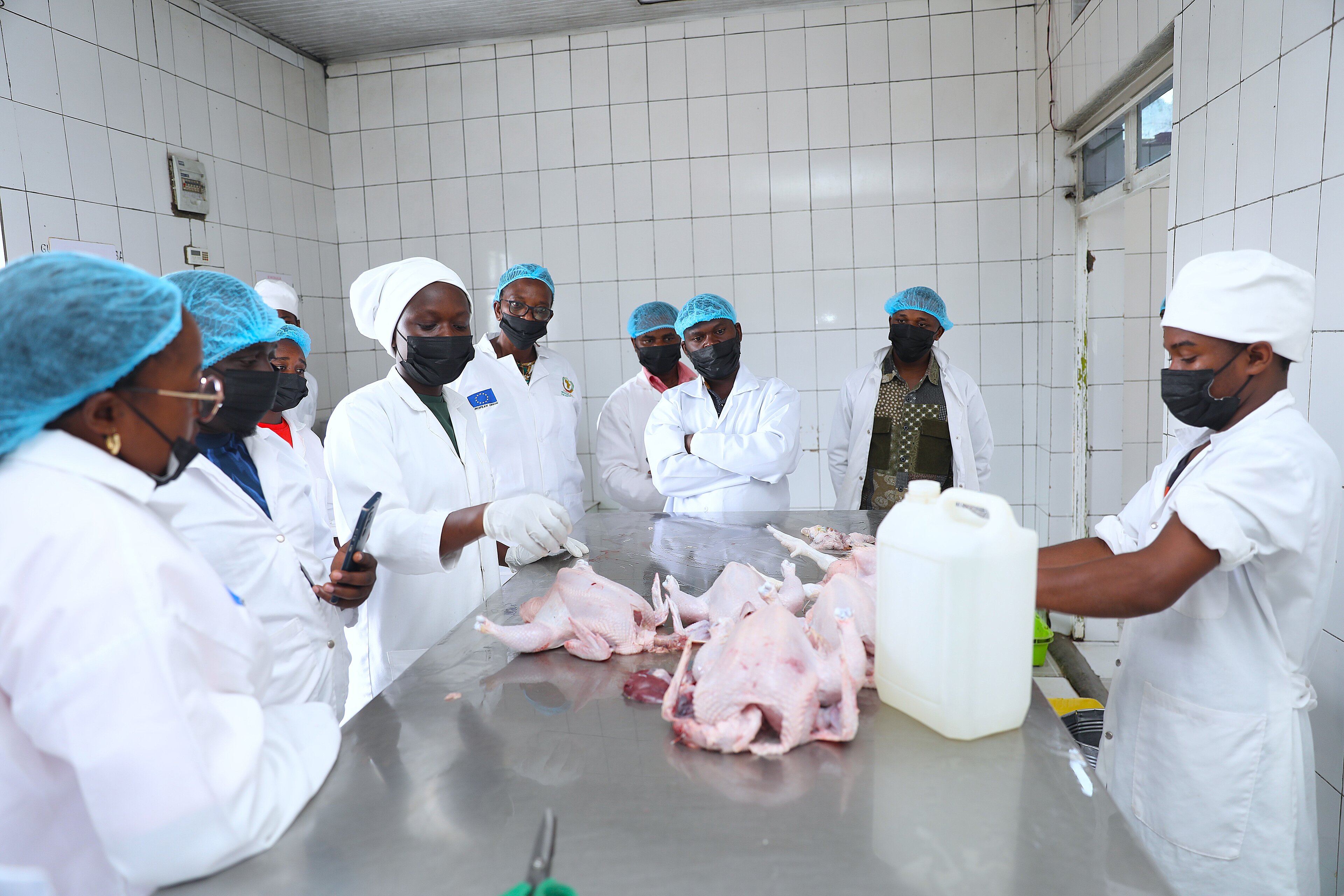
The initiative is implemented under the Value-Added Initiative to Boost Employment (VIBE) Programme, through GDT-Advisory, with support from TradeMark Africa, the Mastercard Foundation and the International Trade Centre (ITC). The programme seeks to improve awareness and management of hazards and risks associated with animal products while supporting compliance with sanitary and phytosanitary (SPS) requirements.
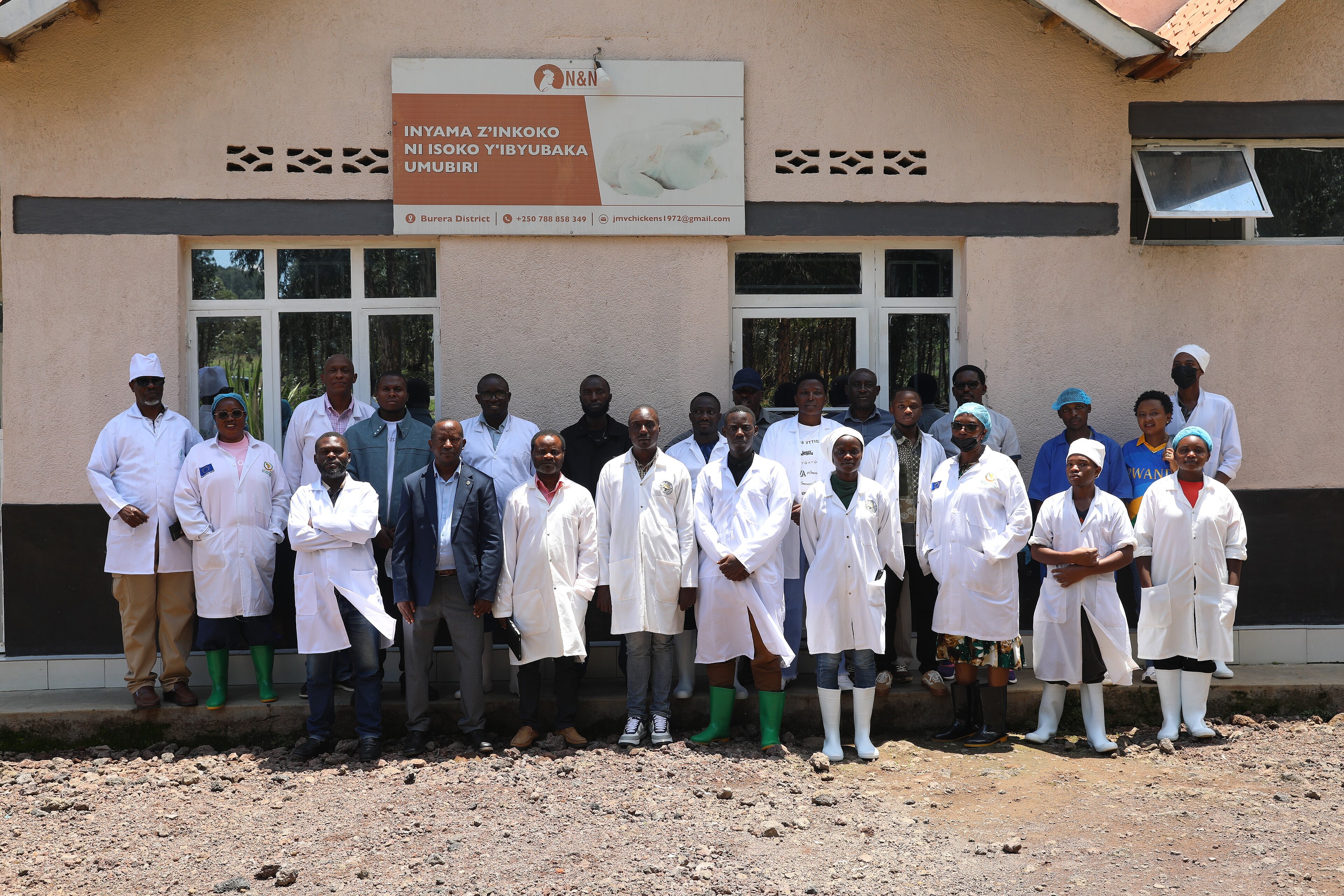
Through practical training and peer learning, RICA and its partners aim to encourage the adoption of good practices across the meat value chain. The initiative is expected to help operators progressively improve their facilities, strengthen food safety management and contribute to the supply of safe and quality meat to consumers.