RICA and AGRA advance framework to strengthen Avocado and Chili seedling quality in Rwanda
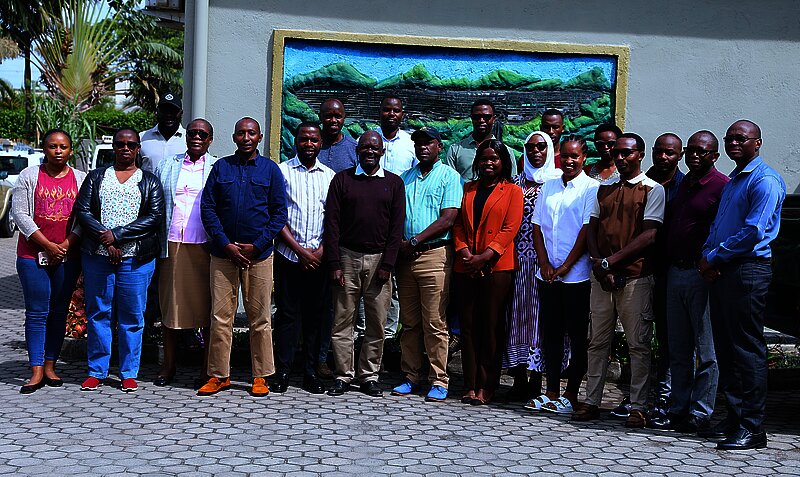
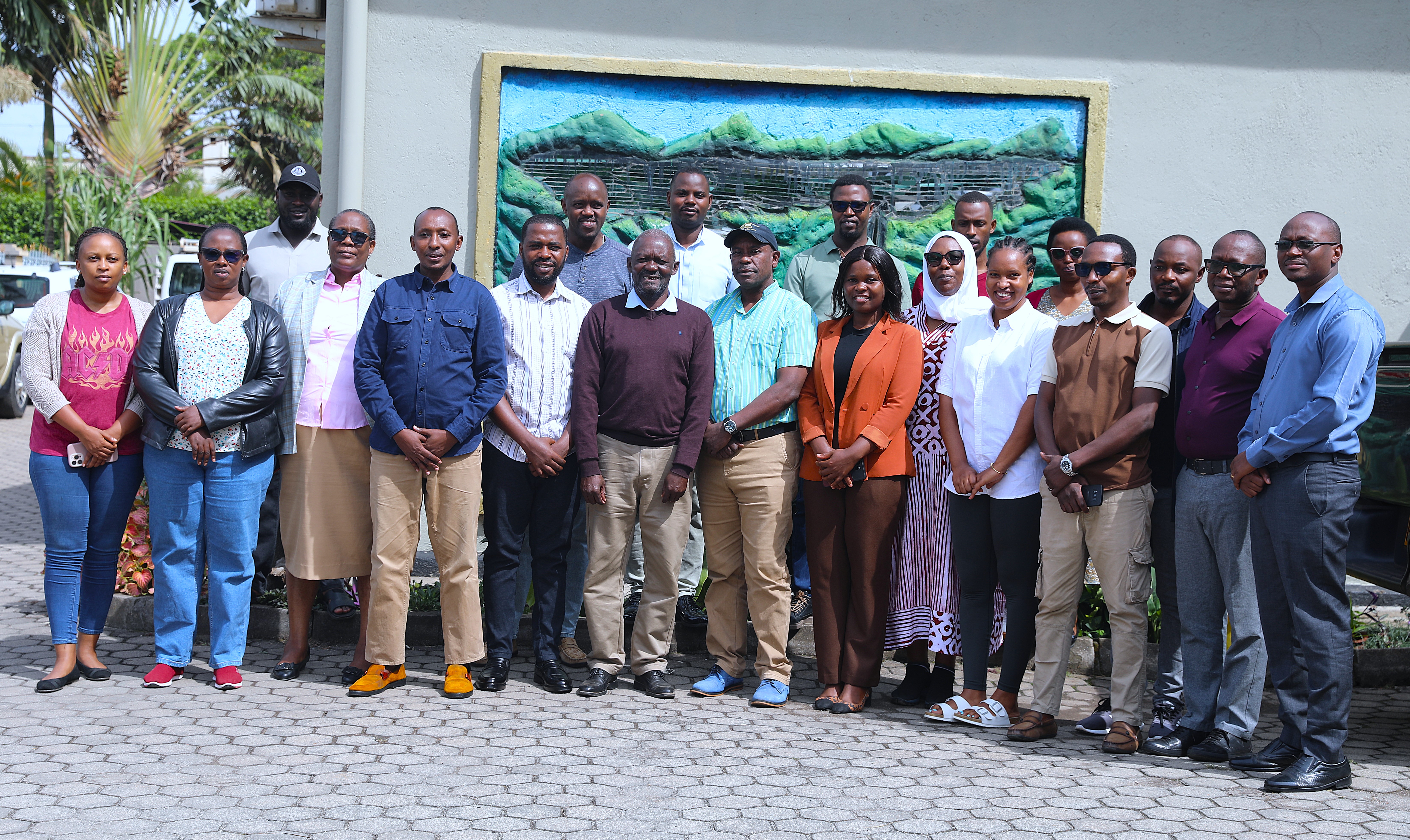
Rwanda Inspectorate, Competition and Consumer Protection Authority (RICA) with support from the Alliance for a Green Revolution in Africa (AGRA) has convened technical stakeholders workshop in Musanze from 27 September to 02 October 2026 to review the proposed regulations governing avocado and chili nursery operations and seedling production, an initiative aimed at improving the quality, traceability and reliability of planting materials in Rwanda.
The proposed framework introduces clear requirements for nursery registration and licensing, approved planting-material sources, inspection, seedling quality, traceability and certification. For avocado, it further covers approved rootstocks, scion sources and certification of grafted seedlings while requirements for approved seed sources and identifiable seedling lots will support quality assurance for both crops.
The week-long technical workshop brought stakeholders together to align inspection manuals, crop-specific checklists and reporting tools with the proposed regulations. These tools are intended to support risk-based inspections, strengthen traceability and certification and improve phytosanitary risk management across the nursery value chain.

Speaking on behalf of AGRA, Joseph Ahenda said the regulatory work is an important step towards establishing a more reliable system for producing and distributing quality planting materials.
“Our focus is to put in place a practical and enforceable framework that gives farmers confidence in the quality and origin of the seedlings they use, while enabling RICA and other stakeholders to conduct consistent inspections and certification,” Ahenda said.
Participants at the workshop highlighted the importance of involving technical stakeholders in developing the framework. According to Musafiri Théophile, the Chief Executive Officer of AGRIWIN LTD, the proposed regulations will address challenges farmers face when sourcing planting materials. “These regulations are important because they will help ensure that nurseries produce and supply quality seedlings that farmers can rely on. With proper inspection, certification and traceability, farmers will have greater confidence in the seedlings they purchase, knowing that they meet the required standards and are suitable for production,” Musafiri said.
The proposed regulations are expected to provide a stronger foundation for varietal identity, seedling quality and traceability while supporting compliance with national requirements and relevant international standards, including those of the International Plant Protection Convention (IPPC).
The initiative also carries broader implications for Rwanda’s horticulture sector. Access to quality planting materials can support improved farm productivity and help producers including youth and women meet requirements associated with formal and export markets thus contributing to more inclusive and sustainable horticultural value chains.
The collaboration reflects the value of RICA–AGRA partnership in translating technical expertise and agricultural development support into practical regulatory systems. By working together with stakeholders across the avocado and chili value chains, the partnership is helping lay the foundation for stronger nursery standards, trusted planting materials and a more competitive horticulture sector in Rwanda.